Serbian-Greek Friendship Affirmed by History and Shared Values

Interviewee: Nenad Amanović, Commissioner of the Association of War Volunteers 1912–1918, Their Descendants and Supporters, responsible for coordination with the Protectorate of the Ionian Islands and the Association’s activities in the Republic of Greece
Occasion: Ahead of the commemoration of the 110th anniversary of the Serbian Army’s arrival on Corfu and Vido
Introduction
Each of us has an opportunity to illuminate the path through our own example and actions. Today, we speak with Nenad Amanović, a native of Knin and a man of the Krajina, who has walked the streets of Corfu for the past twelve years. Through his work and activities dedicated to preserving the culture of remembrance, he contributes to safeguarding and deepening the bonds between the Serbian and Greek peoples. Following in the footsteps of his ancestors and dividing his life between Corfu and Belgrade, Amanović reveals a profound family connection to this history. He is a descendant of a Serbian volunteer who, following the example of many Serbs from across the Drina, joined the struggle to defend the Kingdom of Serbia against the aggression of the Austro-Hungarian Empire. After enduring the Albanian Golgotha, his ancestor reached Corfu, and following the liberation, he was awarded a deed to ten ares of land near Priština, in Kosovo and Metohija.
1. This year marks the 110th anniversary of the Serbian Army’s arrival on Corfu and Vido. How important is it today to remember these events, and what do they represent in the collective memory of the Serbian people?
Nenad Amanović: The commemoration of the 110th anniversary of the Serbian Army’s arrival on Corfu and the island of Vido is far more than a remembrance of a single historical event. It is an opportunity to pay tribute to the sacrifice of our ancestors, but also to recall the values that sustained them through the most difficult moments: faith, a spirit of freedom, and love for their homeland. At the same time, it is an opportunity to express our gratitude and respect to the Greek people, particularly the people of Corfu, whose ancestors came to the aid of the exhausted Serbian Army and the Serbian state leadership.
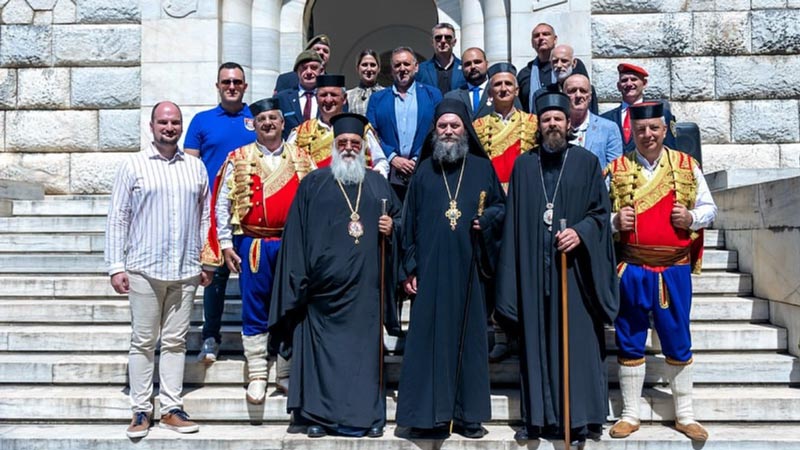
Following the Albanian Golgotha, when the very survival of the Serbian Army appeared to be at stake, the Greek people demonstrated extraordinary humanity and brotherhood. Corfu became known as the “Island of Salvation”, while Vido, sadly, has remained in our memory as the final resting place of thousands of Serbian soldiers and as a symbol of the “Blue Tomb”. These places are therefore not merely geographical locations, but sacred sites of our national remembrance.
It is our responsibility to pass the truth about these events on to younger generations. A nation that forgets its sacrifices and its history risks losing awareness of its own identity. This is precisely why anniversaries such as this are of exceptional importance: they remind us who we are, what we have endured, and why it is essential to preserve and further strengthen the friendship between the Serbian and Greek peoples, a friendship affirmed during some of the most difficult moments in our history.
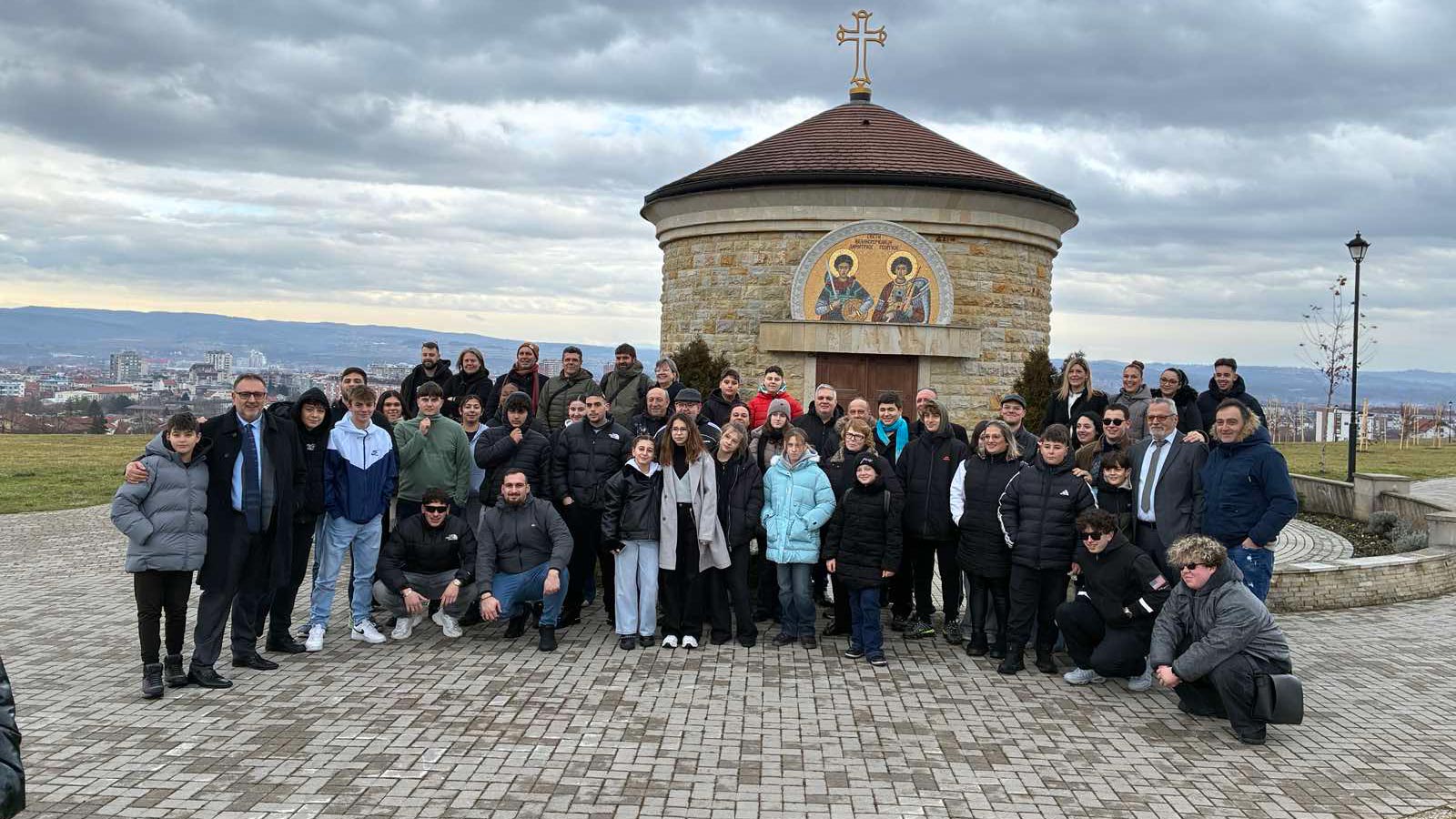
To mark this significant anniversary, commemorative gatherings will be held on Corfu and Vido from September 20 to 25 this year, dedicated to remembering the arrival of the Serbian Army and the suffering of the Serbian people during the First World War. It will be another opportunity to pay tribute to all those who lost their lives and to reaffirm that their sacrifice will never be forgotten.
2. Serbian-Greek friendship has endured for more than a century, sustained by people whose actions have shown that history is not merely the past, but also a responsibility towards the future. In your opinion, who are the most significant contemporary guardians of this friendship?
Nenad Amanović: When we speak of the contemporary guardians of Serbian-Greek friendship, it is difficult to single out individuals from among the many people who, for more than a century, have contributed through their work, dedication and selfless commitment to preserving historical memory and strengthening the ties between our two peoples. Nevertheless, among my contemporaries, I would highlight several individuals whose contributions have been particularly significant.
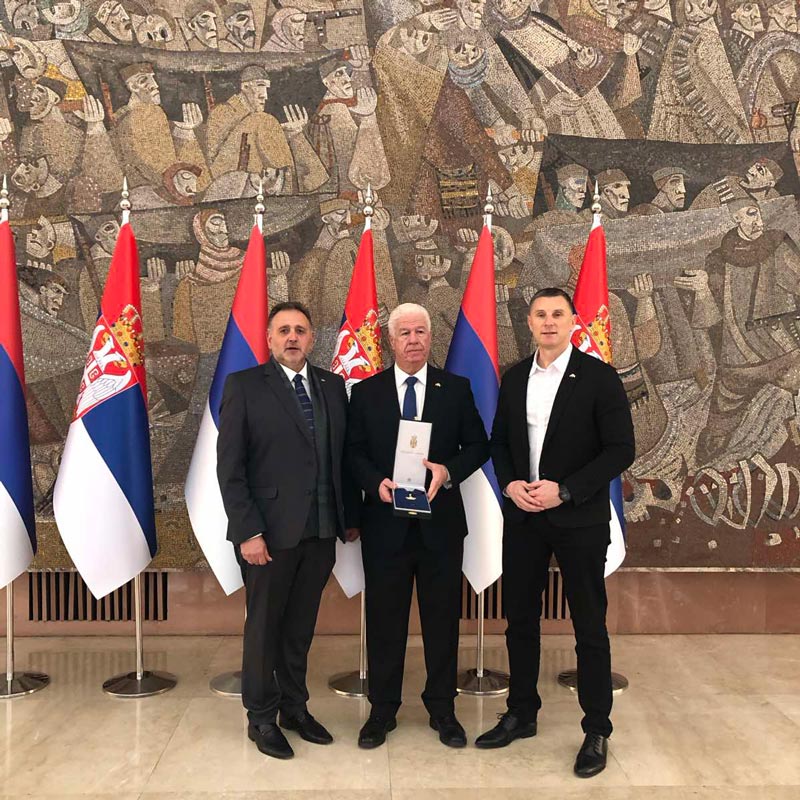
Among my contemporaries and associates, I would first highlight the Governor of the Ionian Islands, Ioannis Trepeklis. His relationship with the Serbian people is neither ceremonial nor merely formal, but sincere and deeply rooted in an awareness of the shared history of our two nations. His personal commitment dates back to the period of the NATO bombing of our country in 1999 and continued through his subsequent service as Mayor of Corfu and Governor of the Ionian Islands. At the proposal of our Association, on the occasion of Serbia’s Statehood Day in February 2025, President of the Republic of Serbia Aleksandar Vučić decorated Mr Ioannis Trepeklis with the Order of the Serbian Flag, Second Class, for his outstanding contribution to developing and strengthening friendly relations between Serbia and Greece.
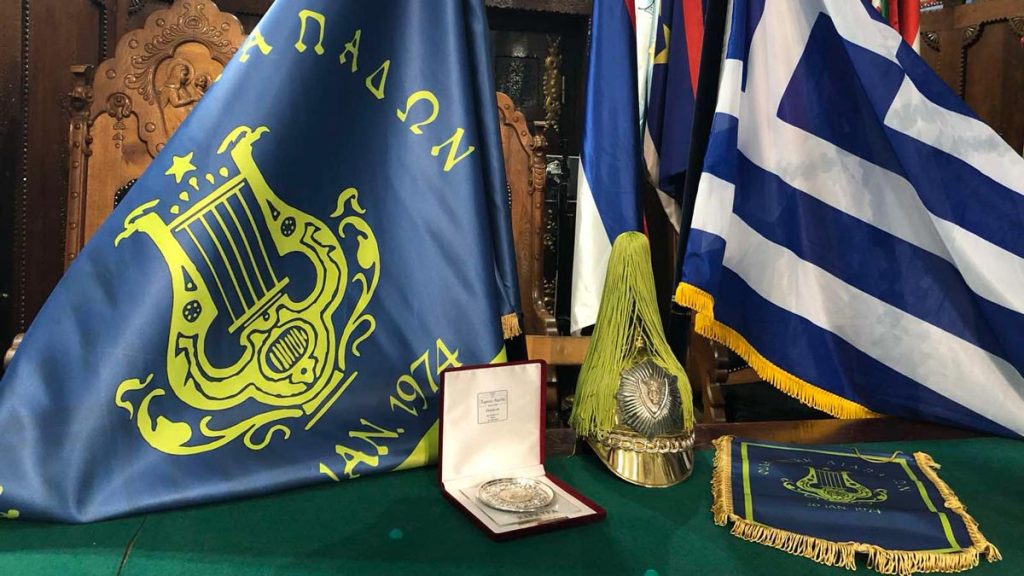
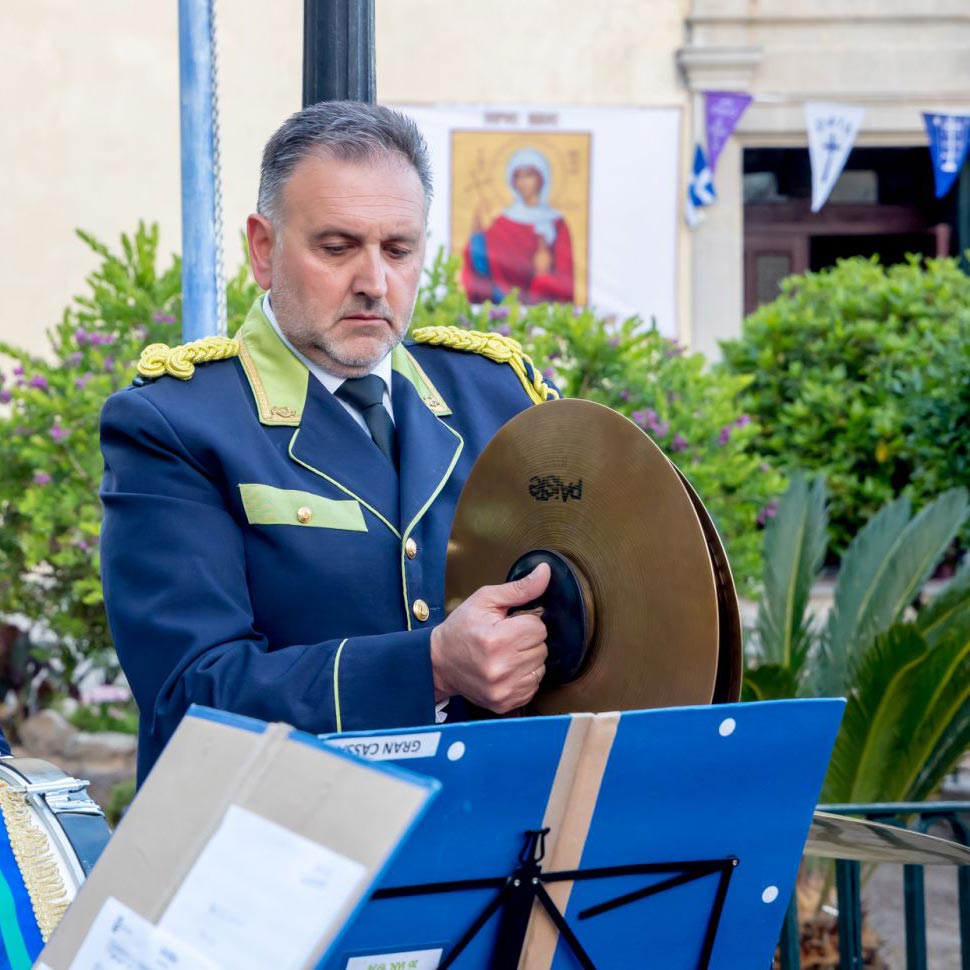
Alongside him, a special place belongs to Nikolaos (Nikos) Bozikis, President of the Liapades Philharmonic, Head of the Corfu Criminal Police and President of the Corfu Police Union. Through his many years of work in organising cultural, humanitarian and commemorative activities, as well as the “Days of Serbdom and Greek-Serbian Friendship”, he has made an exceptional contribution to preserving historical memory and strengthening the ties between the Serbian and Greek peoples. In recognition of this contribution, on the occasion of the Day of Republika Srpska on January 9, 2024, President of Republika Srpska Milorad Dodik awarded him the Medal of Merit for the People. His selfless support and personal commitment to promoting the Serbian people, our Association and joint Serbian-Greek projects represent an invaluable contribution to the further strengthening of friendly relations.
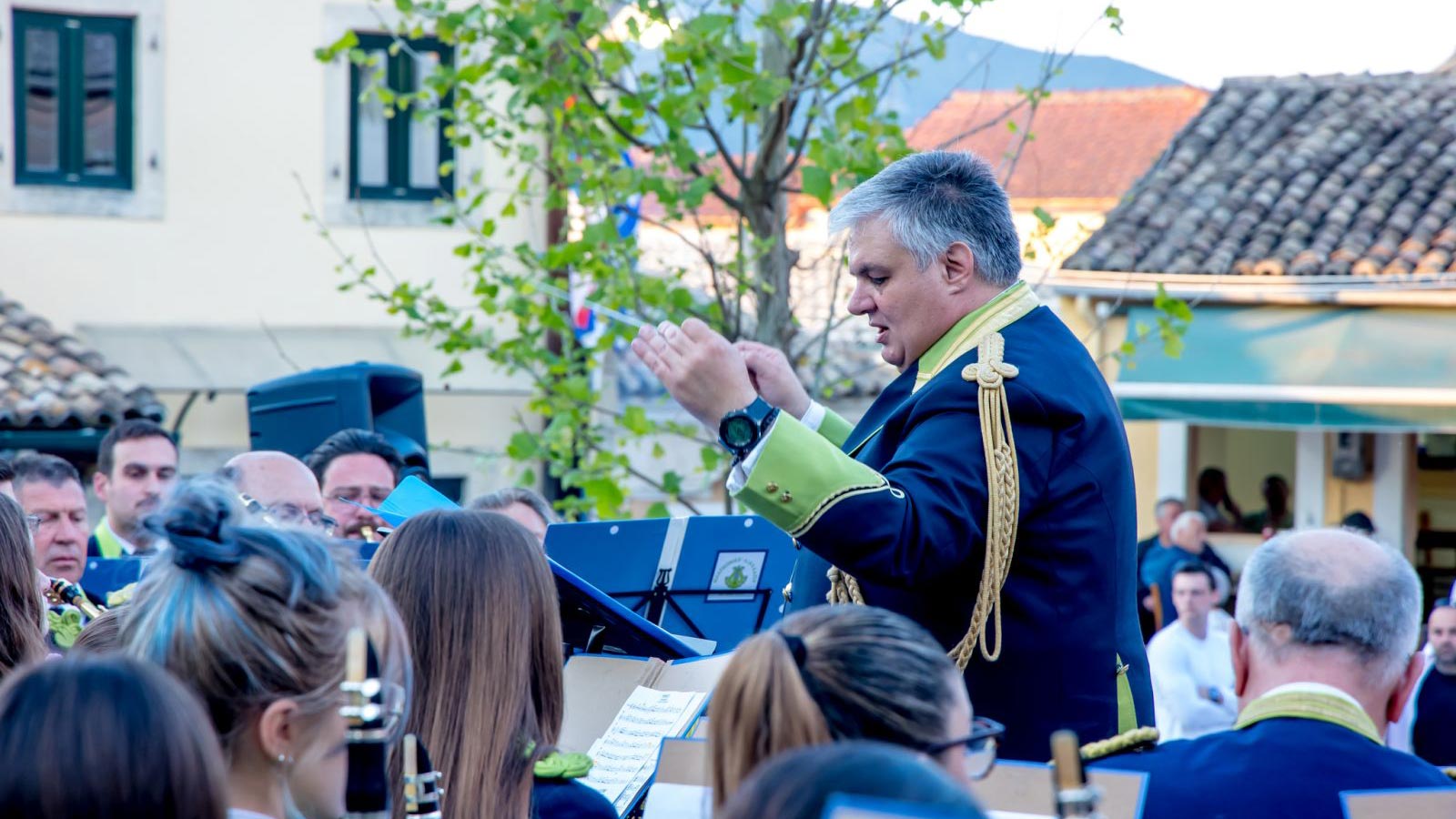
Of course, we must not forget Mr Spyros Metalinos, conductor of the Liapades Philharmonic, nor prominent members of the choir from Agios Mattheos, Mr Kostas Andriotis and Ms Boryana Vasileva, as well as the many other friends of the Serbian people in Greece who, through their work, commitment and dedication, demonstrate every day that the friendship between our peoples is not merely a historical fact, but a living value passed on to new generations.
Thanks precisely to people like them, Serbian-Greek friendship today is not merely a memory of the past, but a solid foundation for even stronger cooperation in the future.
3. Culture is often the most beautiful bridge between nations. To what extent have joint cultural projects contributed to strengthening Serbian-Greek friendship, and which examples would you single out as particularly significant?
Nenad Amanović: Culture has a unique power to bring people together. Joint cultural projects between Serbia and Greece are of immeasurable importance because they preserve historical memory and pass it on to new generations in a way that is accessible and understandable to everyone.
One of the finest examples of such cooperation is the Liapades Philharmonic from Corfu, which, under the leadership of Mr Nikolaos (Nikos) Bozikis and conductor Spyros Metalinos, has for years preserved the memory of Serbian heroes through music while nurturing the friendship between our two peoples. Their concerts are not merely artistic events, but powerful messages of unity, respect and gratitude. Their humanitarian performances are particularly valuable, demonstrating that friendship is expressed not only through words, but also through concrete actions.
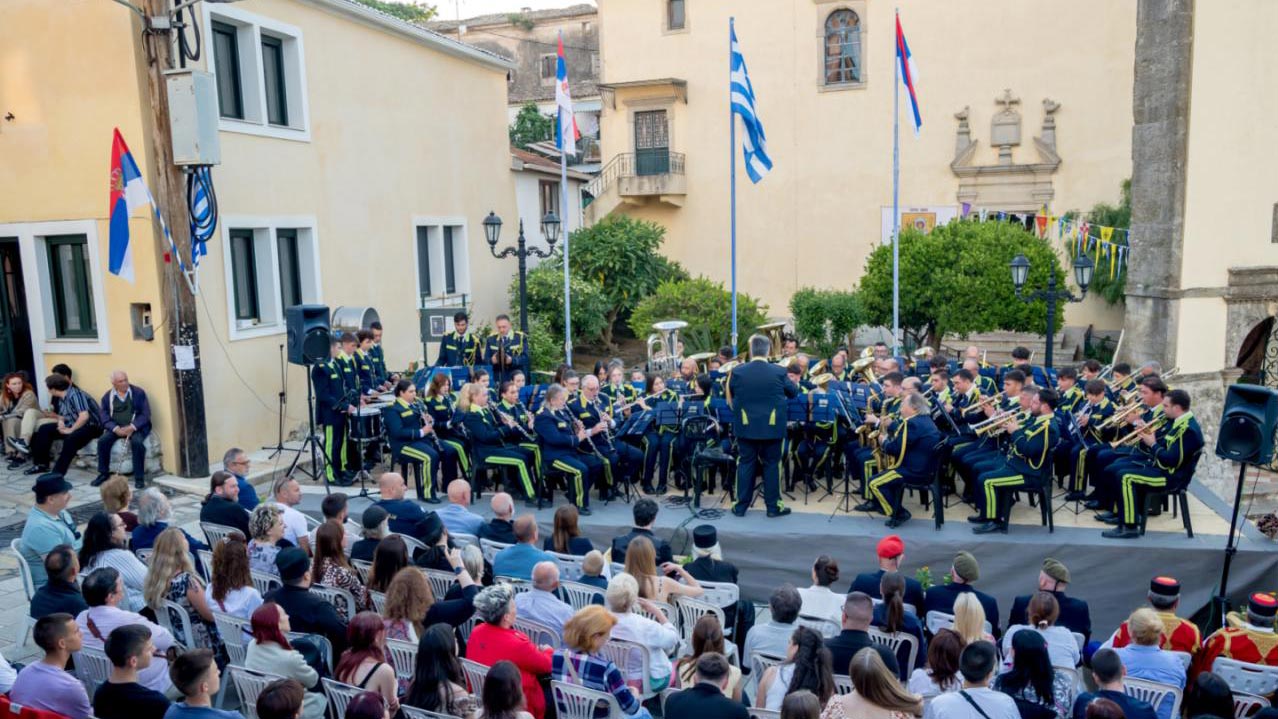
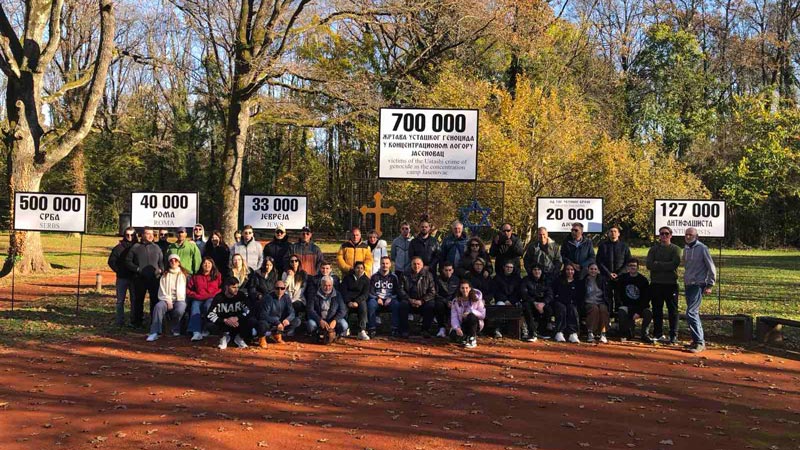
Their visits to Republika Srpska and Serbia have left a profound impression. In Banja Luka, they held the humanitarian concert “In Honour of Our Ancestors, for the Future of Our Descendants”. During their visit, they also travelled to the Donja Gradina Memorial Site, where they paid tribute to the innocent victims of Ustaša terror.
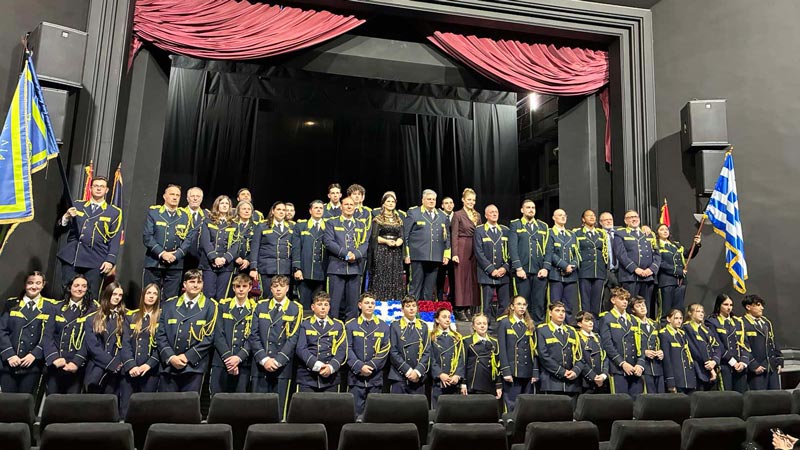
They have also performed in Subotica, Stara Pazova, Požega, Kruševac and other cities, presenting Serbian and Greek compositions and once again demonstrating that music transcends borders and brings nations together. They have also made an exceptional contribution through the “Days of Serbdom on Corfu”, an event that has grown into one of the most significant symbols of cultural cooperation between Serbia and Greece.
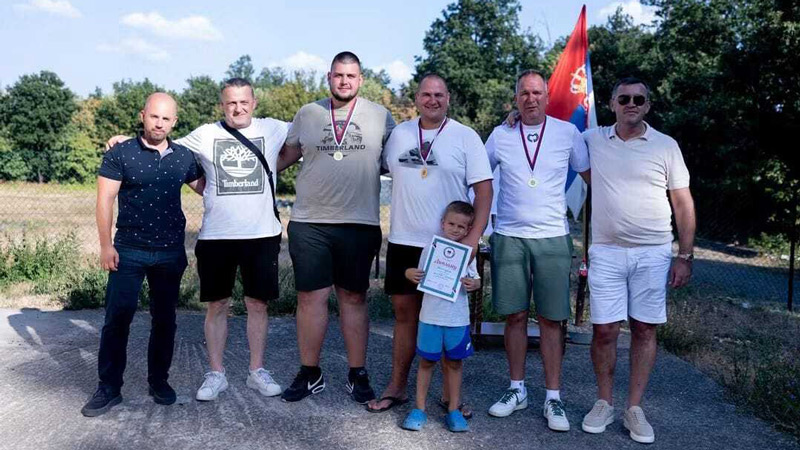
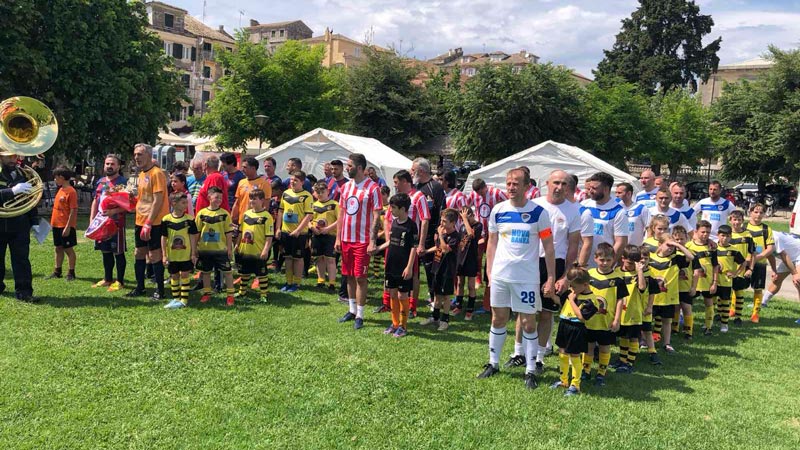
The sporting event held on Corfu in 2023 also carried great symbolic significance. At the site where the first football match involving members of the Serbian Army was played in 1916, a friendly match was once again organised, bringing together veterans of FK Borac from Banja Luka, FK Crvena zvezda from Belgrade and the Greek club Kerkyra from Corfu. The event conveyed a powerful message that historical heritage can be preserved not only through commemorations, but also through culture, music, sport and direct encounters between people.
All these activities demonstrate that Serbian-Greek friendship is not merely part of our glorious past, but a living value reaffirmed every day through joint projects, mutual respect and a sincere desire for future generations to continue along the path laid down by our ancestors. Thanks precisely to those whose work brings our peoples closer together, the friendship between the Serbian and Greek peoples remains firmly rooted in our shared history while also looking towards the future.
4. In addition to historical and cultural ties, institutional cooperation between Serbia and Greece has become increasingly intensive in recent years. How important are partnerships between cities, municipalities, associations and other institutions for the future of Serbian-Greek relations?
Nenad Amanović: Institutional cooperation represents a natural continuation of the friendship that our peoples have been building for more than a century. When historical trust is translated into agreements, joint projects and long-term cooperation between institutions, it gains a new dimension and becomes a foundation for future relations.
It is particularly encouraging that Corfu has established twinning partnerships with several cities and municipalities in Serbia. Such partnerships create opportunities for cooperation in culture, education, tourism, business and sport, while at the same time contributing to the preservation of our shared historical heritage and strengthening ties between local communities.
Alongside cooperation between local governments, professional organisations and associations are also playing an increasingly important role. The latest positive example was the participation of the Greek Police Union in the 2026 Police Games on Zlatibor and the signing of a cooperation protocol between representative police unions from Serbia and Greece. Agreements such as these demonstrate that the friendship between our peoples is also being strengthened today through the exchange of experience, joint activities and mutual institutional support.
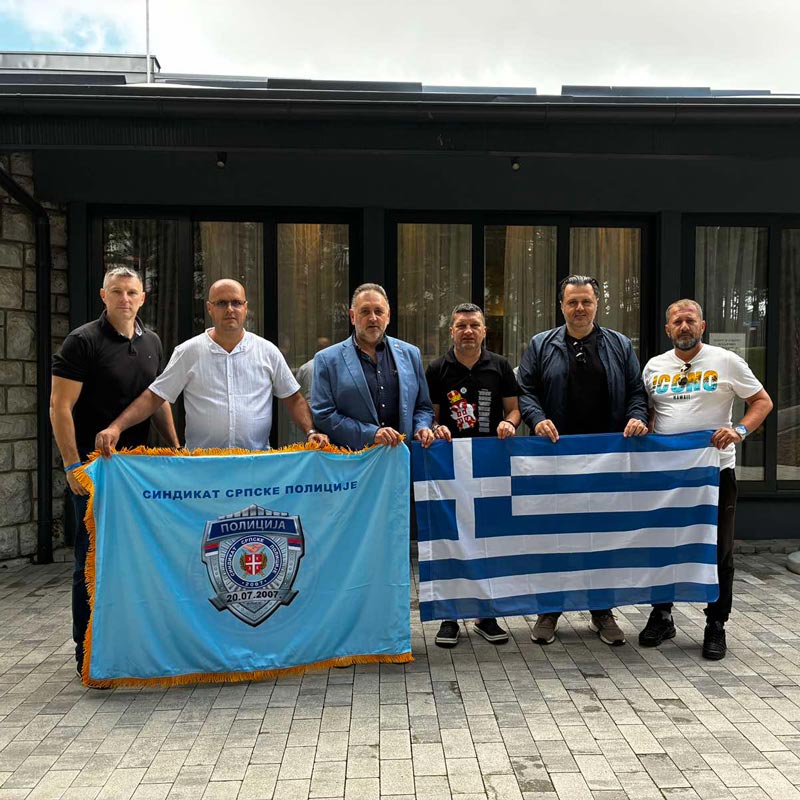
I believe that precisely these forms of cooperation represent the best investment in the future. When cities, municipalities, institutions, cultural organisations, schools, sports organisations and civic associations establish lasting connections, friendship becomes stronger, more meaningful and more resilient to the challenges of time. Our intention is to continue developing such ties, as they represent a lasting legacy for future generations.
5. As an Association that has for decades preserved the memory of Serbian volunteers and the wars of liberation, how important is it today to preserve national identity, the culture of remembrance and tradition, and how will you commemorate the 110th anniversary of the Serbian Army’s arrival on Corfu and Vido this year?
Nenad Amanović: The mission of our Association is to preserve the historical memory of the Serbian people and to pass on to future generations the values entrusted to us by our ancestors. Preserving national identity is impossible without nurturing a culture of remembrance, honouring the sacrifices of those who came before us and understanding the history that has shaped our people. For this reason, every anniversary represents both an obligation and a pledge for us.
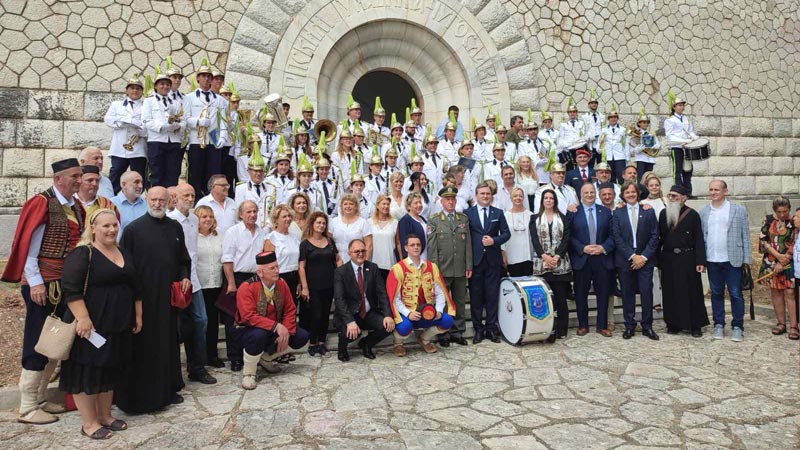
For years, we have been developing cooperation with the institutions of the Republic of Serbia and Republika Srpska, the Serbian Orthodox Church, as well as numerous veterans’ and war veterans’ associations, including the Association of War Veterans of Serbia – SUBOS, the Veterans Association of Republika Srpska, the Association of Veterans of the Special Operations Unit – JSO, the Association of Veterans of the Heroes of Košare, associations of disabled war veterans from Kraljevo, the Gendarmerie Veterans Association, the Descendants 1912–1920 Association, and other organisations. Our shared goal is to keep the culture of remembrance alive and to ensure that younger generations understand the price the Serbian people paid for freedom.
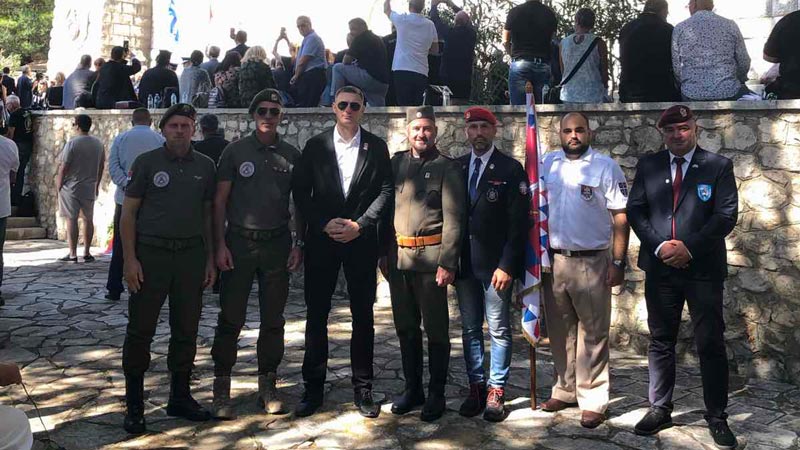
Together with our friends from Greece, representatives of institutions of the Republic of Serbia and Greece, veterans’ and patriotic associations, descendants of Serbian soldiers and numerous admirers of Serbia’s proud history, we will commemorate the 110th anniversary of the Serbian Army’s arrival on Corfu and the island of Vido through a series of activities from September 20 to 25.
We will pay tribute to Serbian heroes and all those who suffered during the Albanian Golgotha, while at the same time expressing our profound respect and gratitude to the Greek people, particularly the people of Corfu, whose ancestors provided assistance, refuge and support to the exhausted Serbian Army and state leadership during their most difficult moments. In this way, we preserve the memory of our shared history and reaffirm the unbreakable bonds of friendship between the Serbian and Greek peoples.
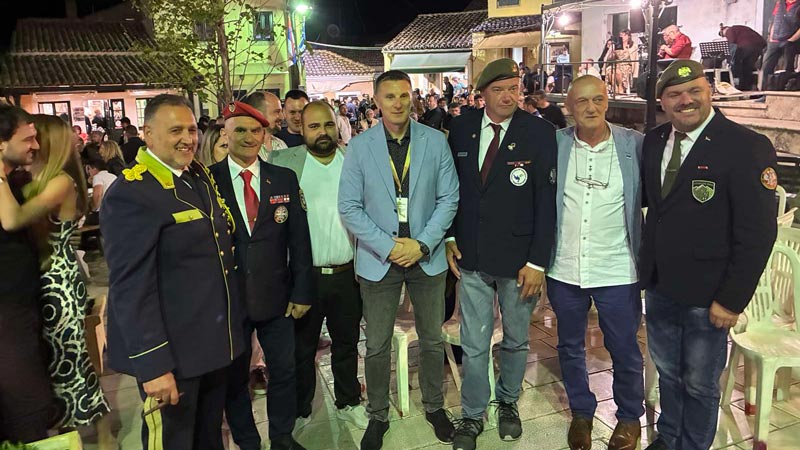
I believe that through our joint efforts, we will continue to strengthen both the culture of remembrance and Serbian-Greek friendship, ensuring that they remain enduring values for future generations.
6. What are the Association’s most important plans for the coming period, and which projects would you particularly highlight as a lasting contribution to preserving the memory of Serbian heroes and Serbian-Greek friendship?
Nenad Amanović: In the coming period, one of the key tasks of the Association of War Volunteers 1914–1918 and our associates, with the blessing of His Holiness Serbian Patriarch Porfirije, is to implement the project of erecting a stone Cross in the Blue Tomb off Corfu, designed by Deacon and architect Miroslav Nikolić. Through this project, we aim to permanently preserve the memory of the Serbian heroes who lost their lives during the First World War and to provide a dignified memorial at the site of their eternal rest.
In connection with this project, we recently held a working meeting at the Corfu Port Authority with its Director, Dimitris Apergis, where we discussed the next steps required for its implementation. The meeting was also attended by Nikos Bozikis, Head of the Corfu Criminal Police, President of the Corfu Police Union and President of the Liapades Philharmonic; Saša Vukotić, envoy of the President of the Association; sculptor Nikola Kalat; and myself, in my capacity as the Association’s Commissioner for cooperation with the Protectorate of the Ionian Islands.
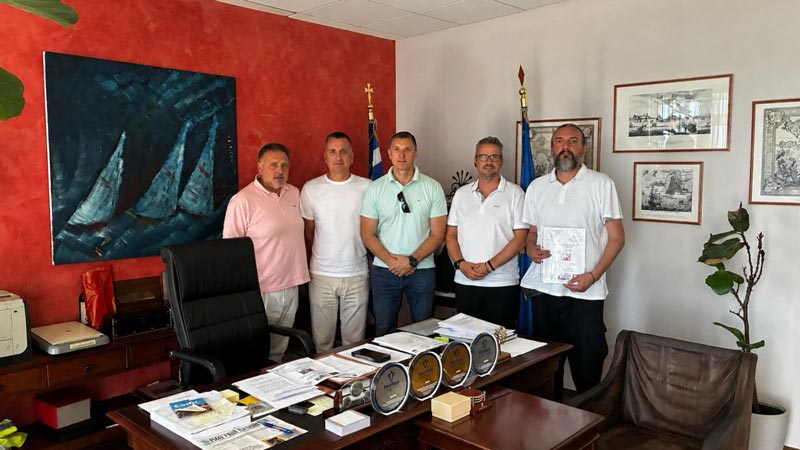
We believe that, with the support of our Greek friends and the institutions on Corfu, this project will be successfully completed. The stone Cross will represent more than a memorial. It will stand as an enduring symbol of gratitude, respect and eternal remembrance of the Serbian soldiers who found their final resting place in the blue depths of the Ionian Sea.
Our goal remains unchanged: to preserve historical truth, nurture the culture of remembrance and, through joint projects with our friends in Greece, continue strengthening our centuries-old friendship as a lasting foundation for the future of Serbian-Greek cooperation.
Related posts